The bathroom is where independence tends to go first, and it is almost always for reasons that could have been designed out.
The threshold is the hazard
Most bathroom falls happen stepping over something. A standard tub wall can be well over a foot high, and it has to be cleared on a wet floor, on one leg, usually while holding something. Replacing it with a low or zero-threshold shower removes the hazard entirely rather than managing it.
Grab bars are only as good as the wall behind them
A grab bar screwed into a panel or into drywall will come away under real load, which is precisely when it is needed. Bars have to be anchored into blocking. If a contractor does not mention blocking, that tells you something.
Height is personal
Standard mounting heights are a starting point, not an answer. Bars, seats and handheld shower heads should be set for the person who will use them, which means somebody needs to ask.
Seating and handhelds
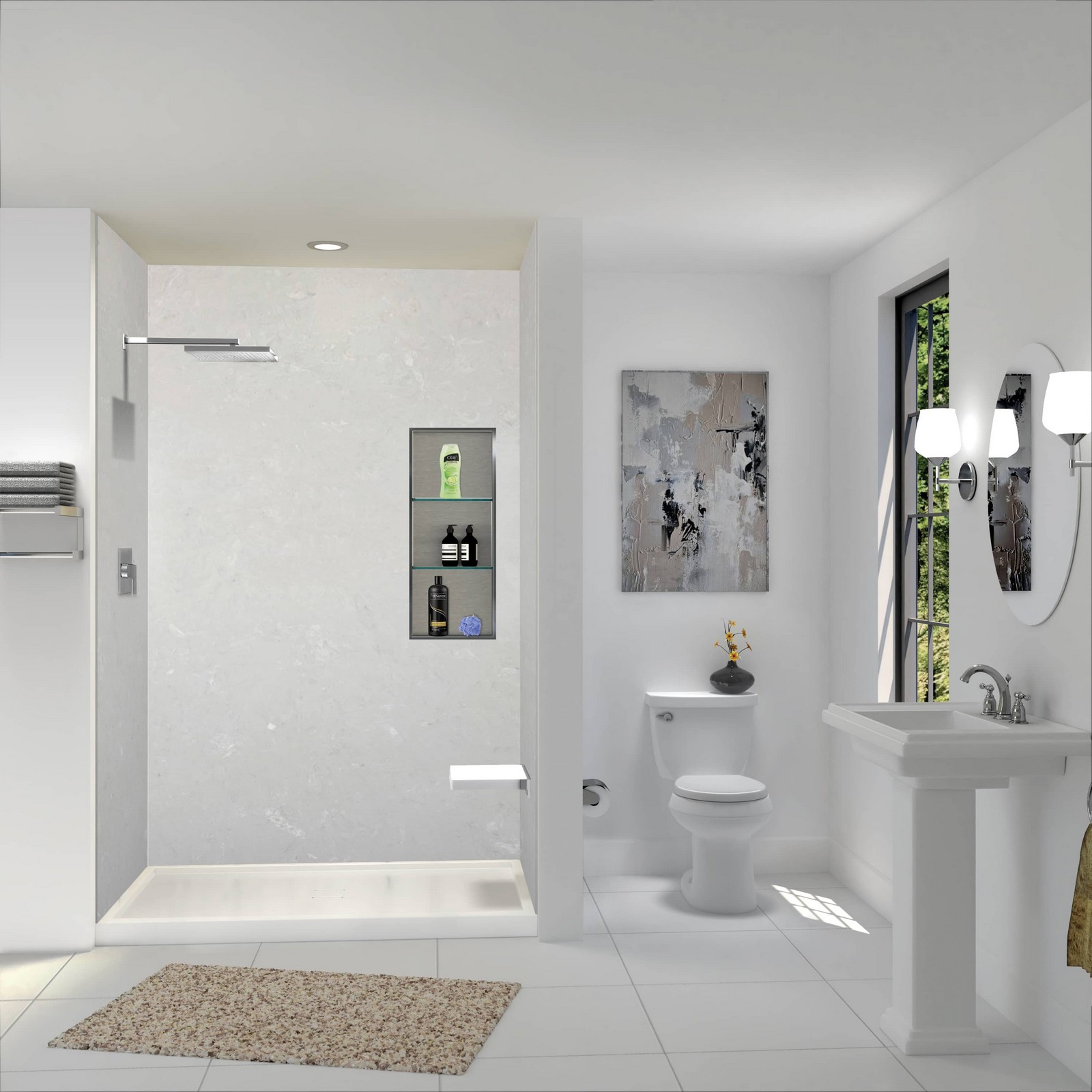
A fold-down seat and a handheld shower head together turn showering from something that requires standing and balancing into something that can be done sitting down. Built in during the remodel, they cost very little extra. Added afterwards, they are a compromise.
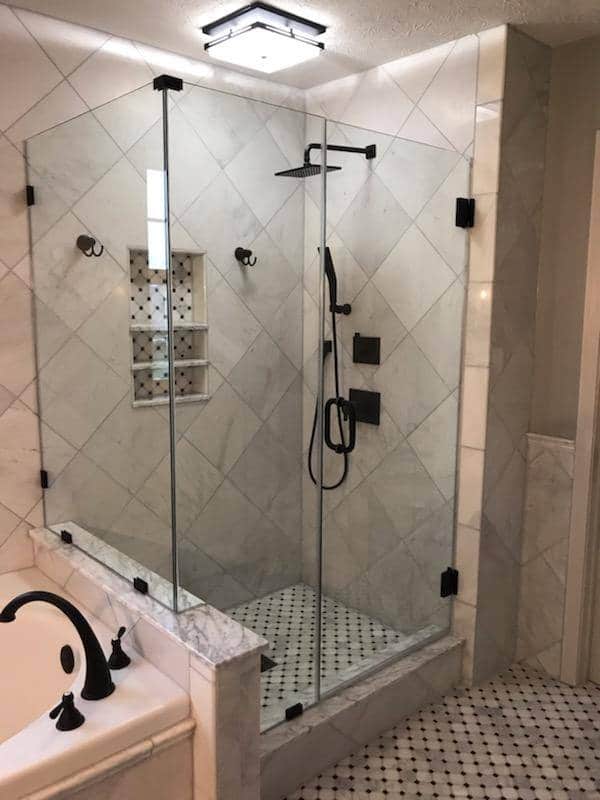
It does not have to look institutional
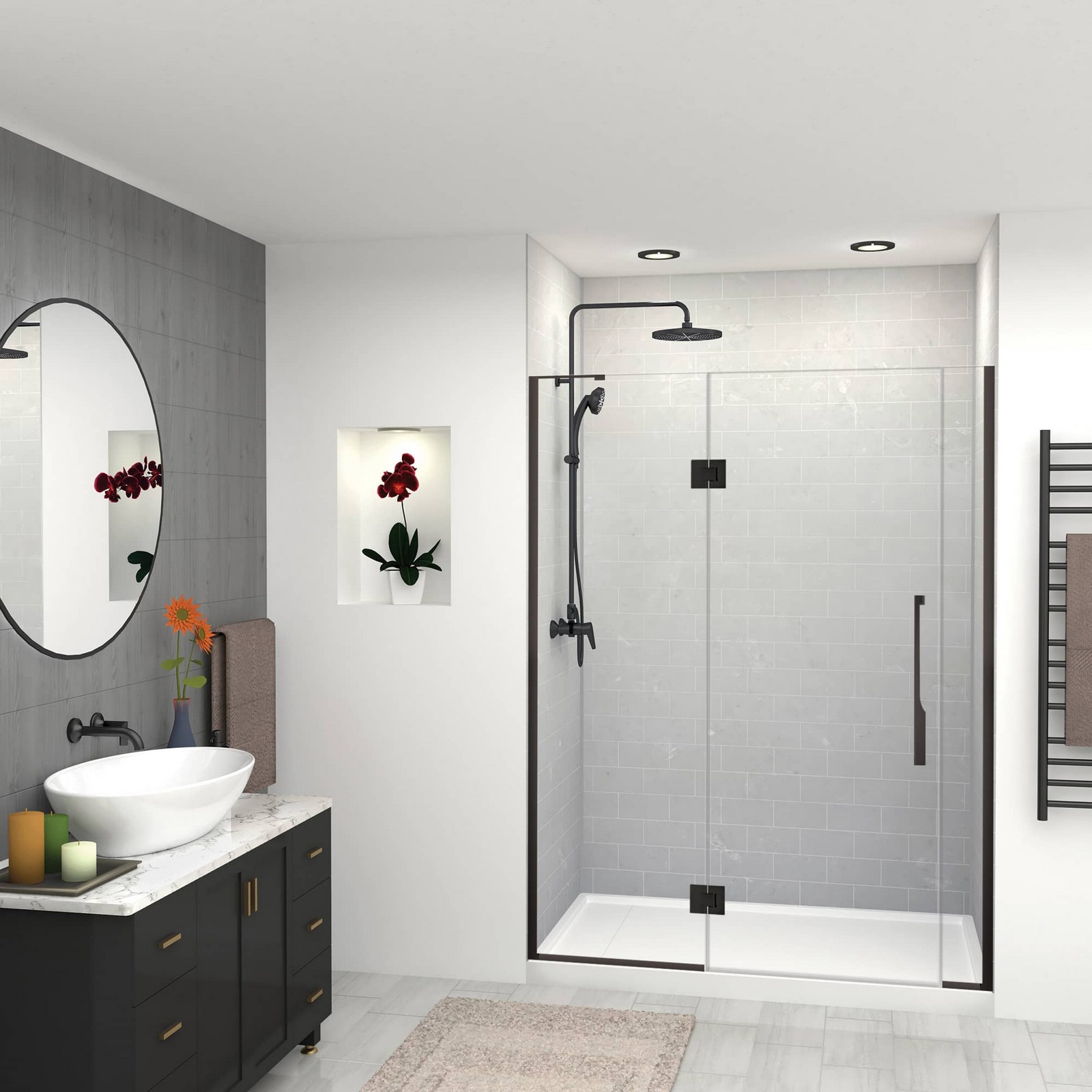
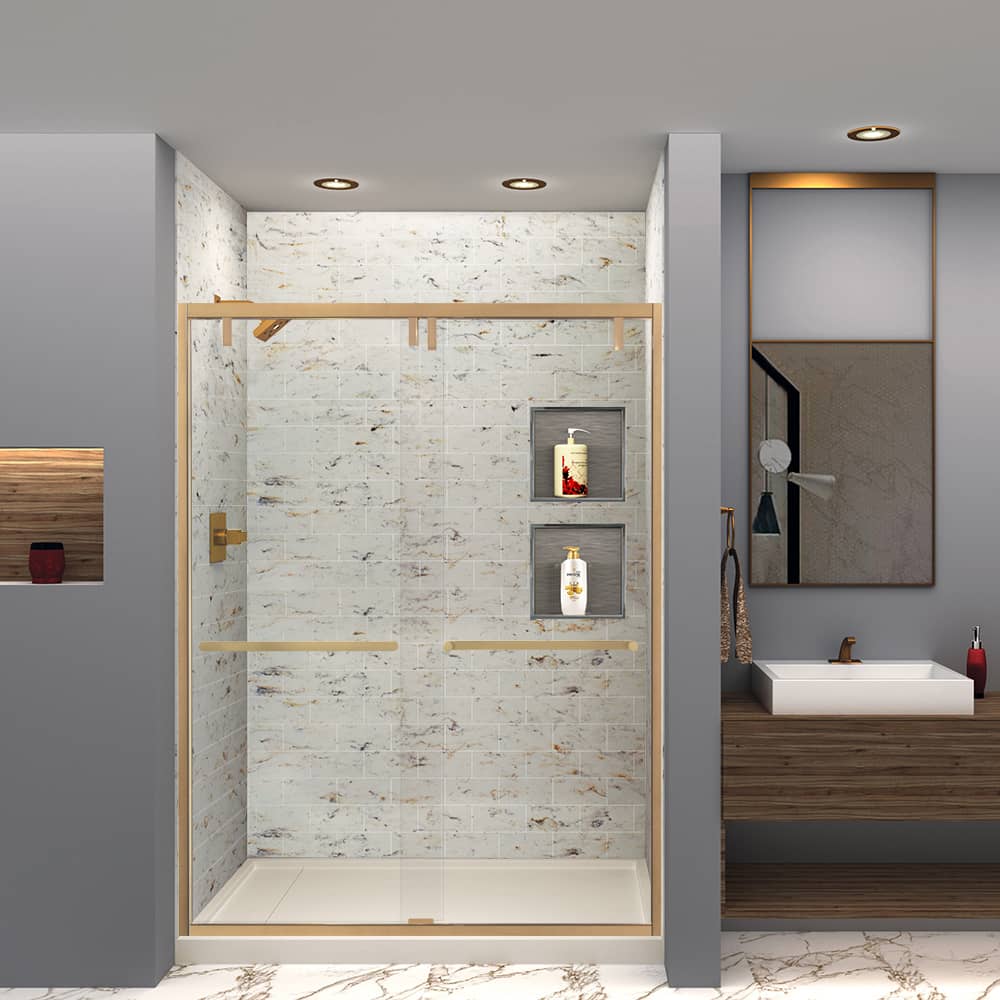
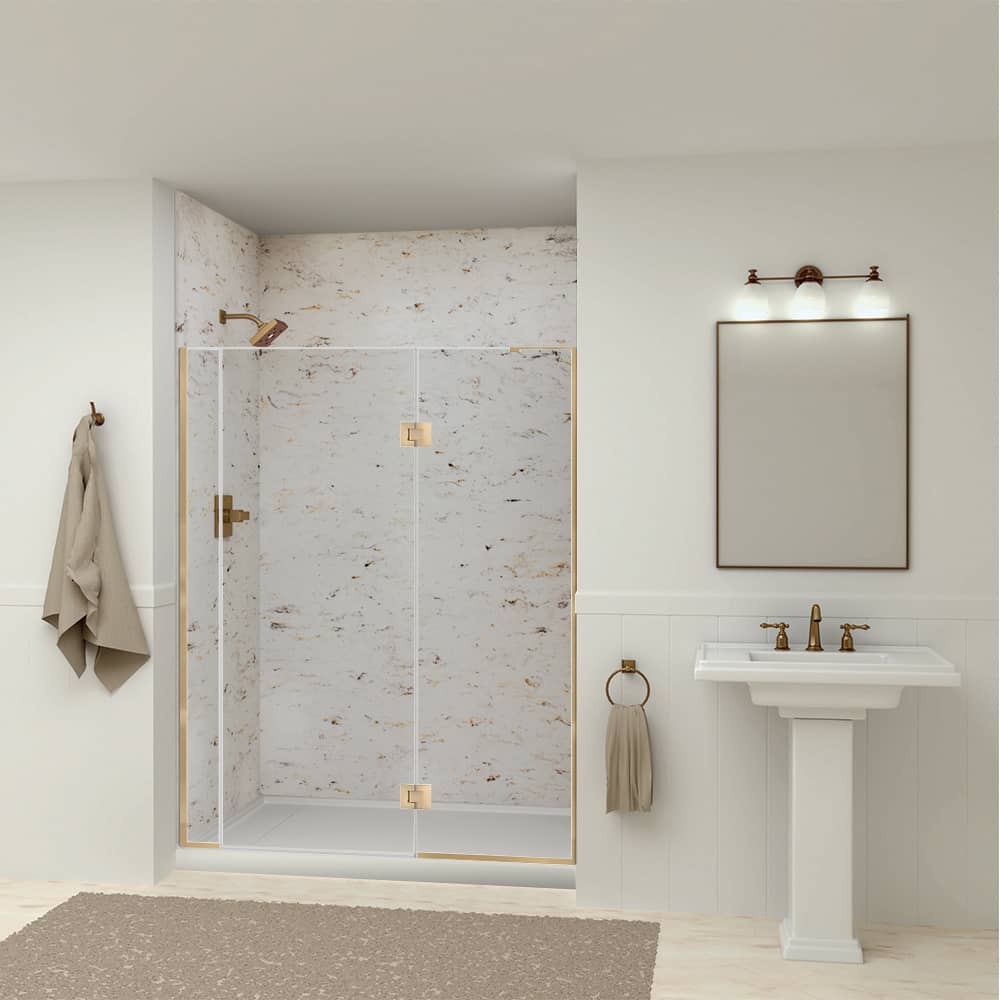
This is the objection that stops people, and it is out of date. The same colours, patterns and finishes available on any other bathroom are available here. A well-designed accessible bathroom reads as a bathroom somebody chose.
Doing it before you need it
The best time to make these changes is while they are still optional. Retrofitting after a fall means making decisions quickly, under pressure, and usually while somebody is in hospital.