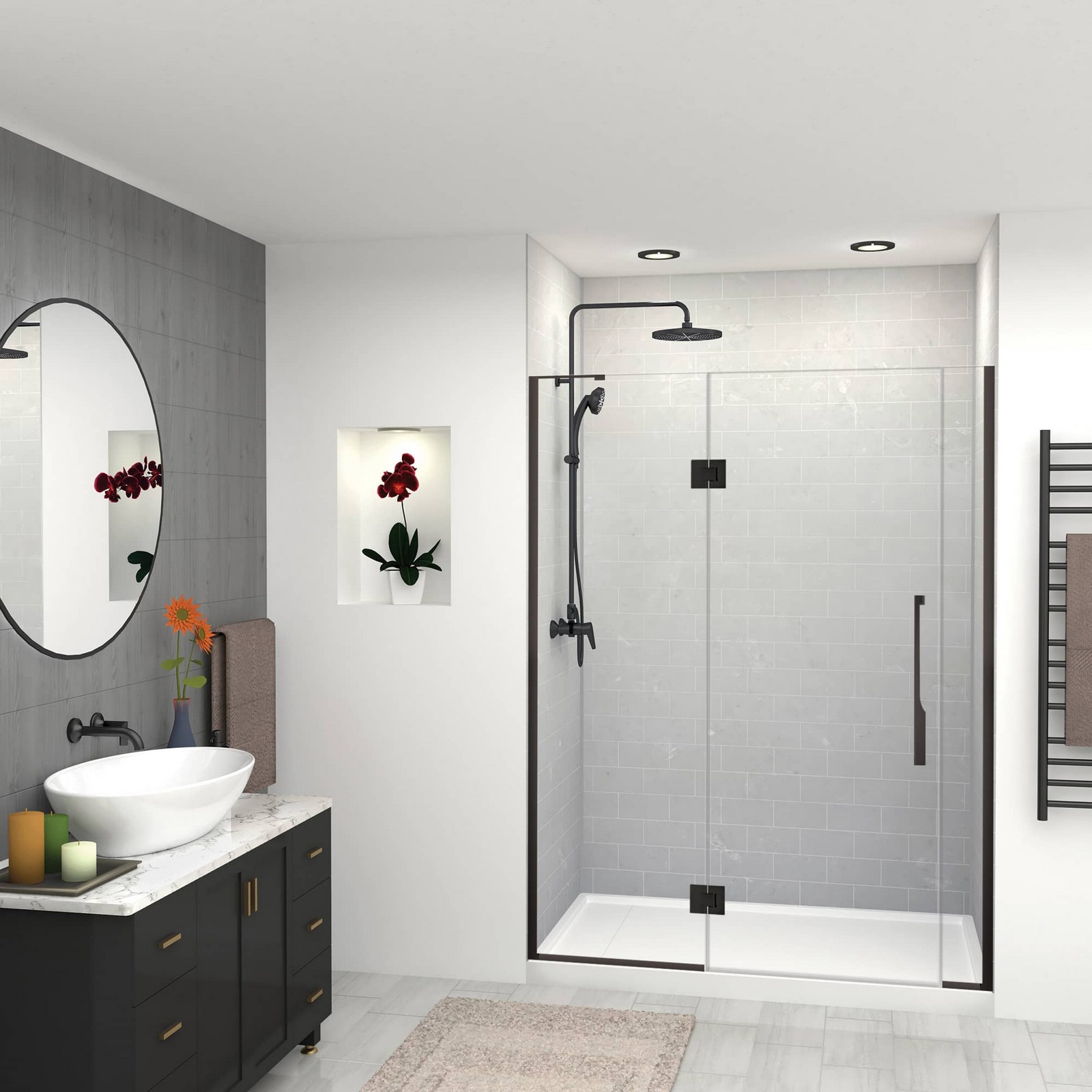
Acrylic has quietly become the default choice for shower remodels across Central Indiana, and it is worth understanding why before you spend money on tile that will need attention again in a decade.
It goes in as panels, not pieces
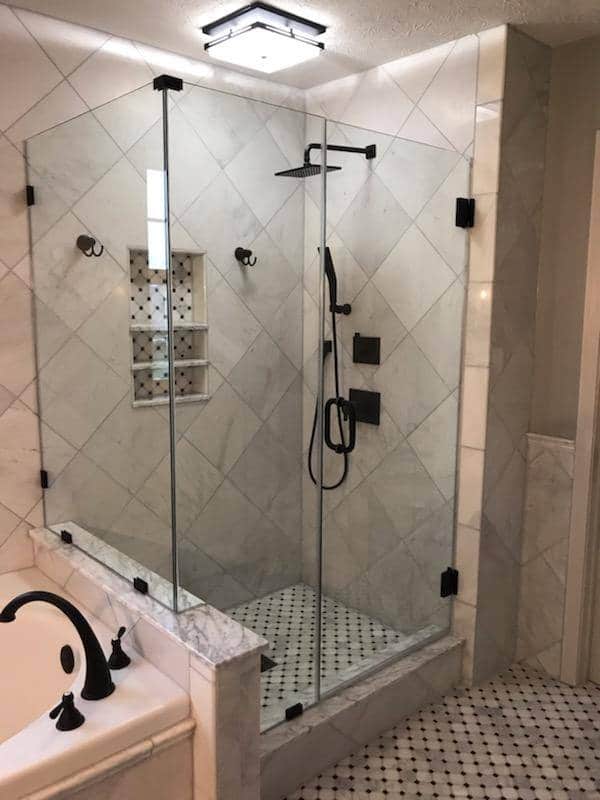
A tiled shower is assembled on site from hundreds of individual components, each one bedded and grouted by hand. An acrylic surround arrives as a small number of large panels, fabricated to the measurements of your alcove before anyone turns up to fit it. That single difference is why one takes a week and the other takes a day.
There is nothing for mould to grip
Grout is porous. It absorbs water, holds onto soap residue, and eventually gives mildew a home inside the wall surface rather than on it. That is why scrubbing stops working after a few years. Acrylic is non-porous, so residue sits on the surface and comes away with a cloth.
Hard water matters here
Greenwood and the surrounding area sit on notably hard water, heavy in dissolved calcium and magnesium. Those minerals are what leave the chalky film on glass and fittings, and they are particularly punishing on grout lines. A sealed, non-porous surface gives them nowhere to work into.
You are not limited on looks
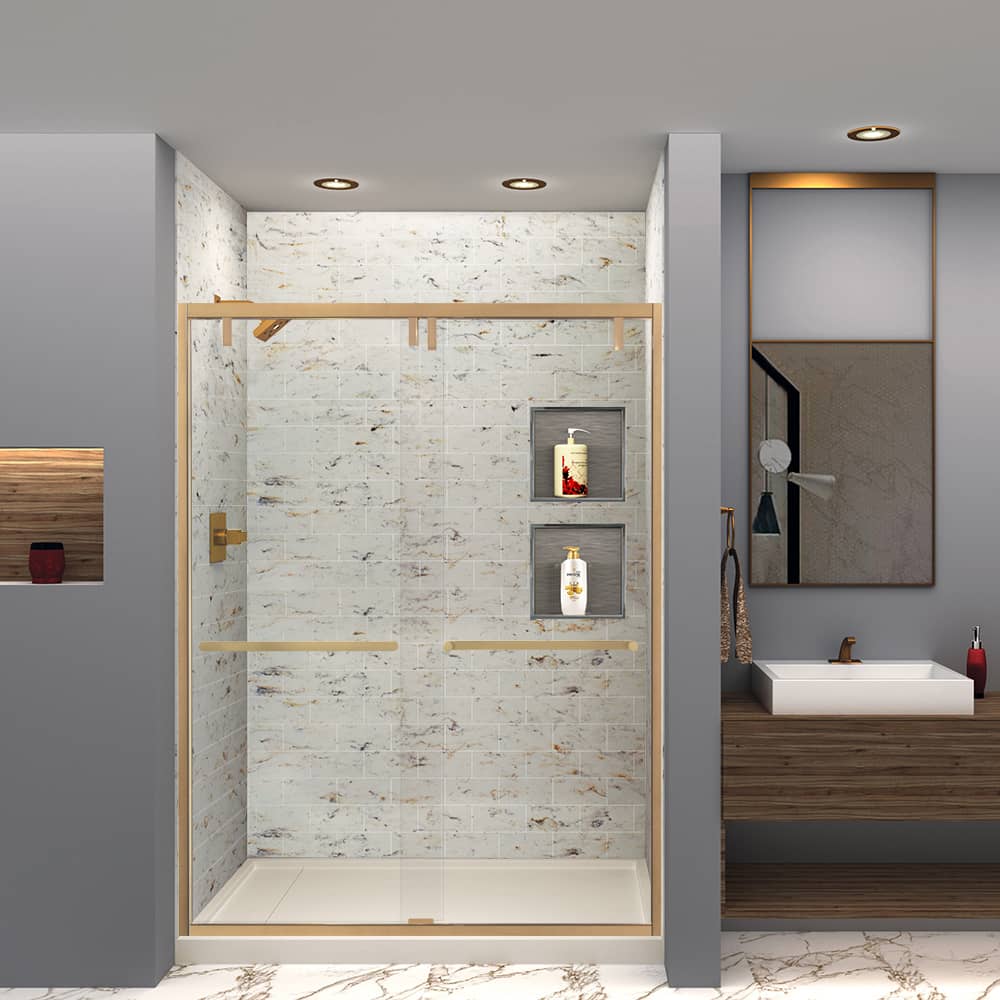
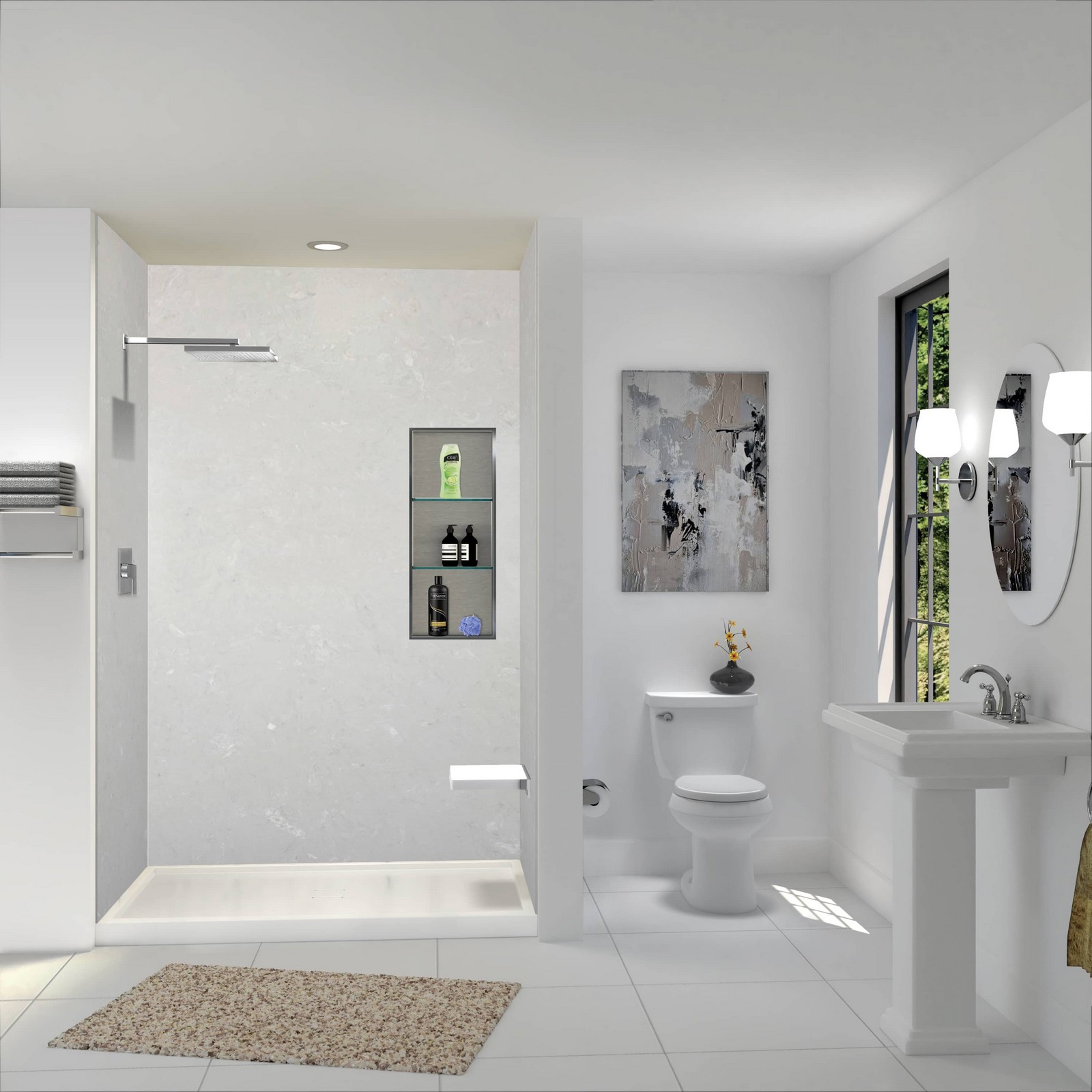
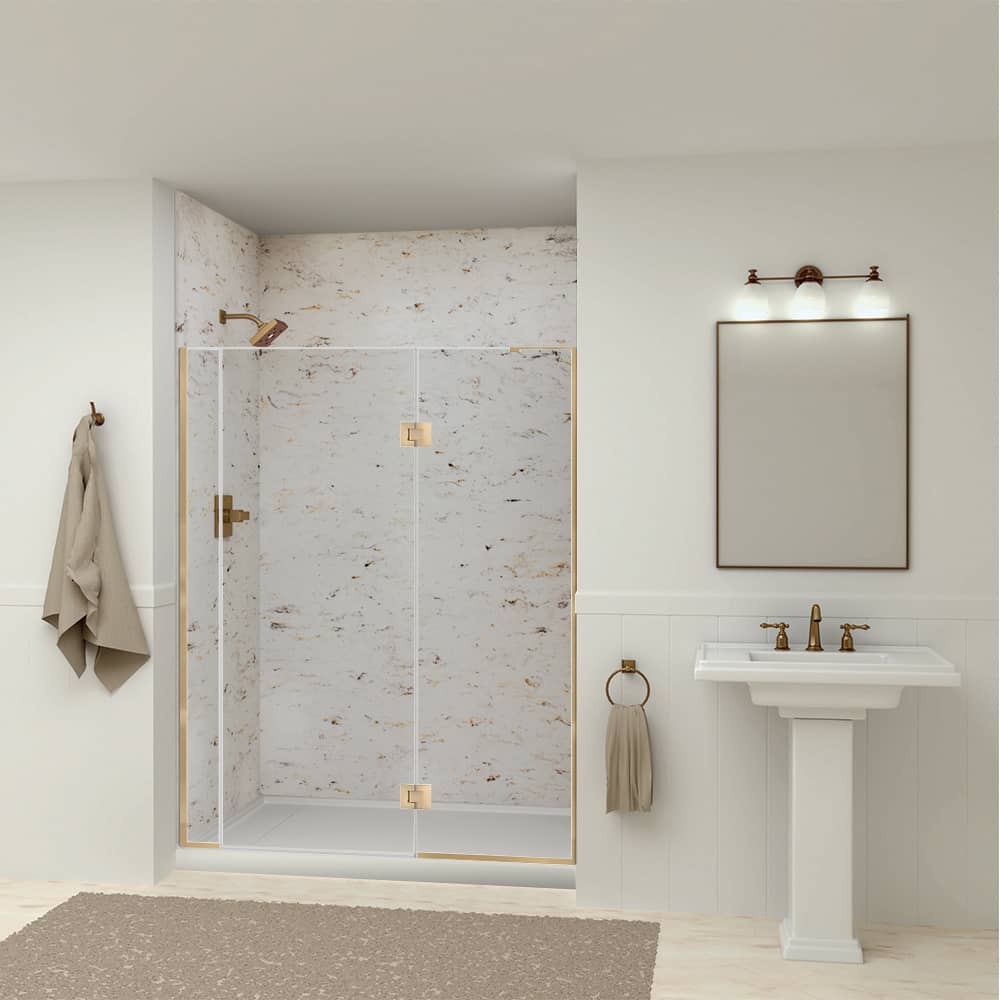
The objection people raise is that acrylic must look cheap. Modern solid surface panels carry the pattern through the material, and the range covers plain whites, marble veining, travertine and stone looks. Most people cannot tell from across the room, and the ones who can usually notice the absence of grout lines rather than the material.
What to ask before you commit
Ask whether the panels are made to your measurements or cut down from stock. Ask what the warranty covers and who honours it. Ask whether the installers are employed or subcontracted. The answers separate a shower that lasts from one that merely looks finished on the day.